Using geothermal energy from former mines, a process known as mine water heating, an increasing number of homes and buildings are starting to be heated in the North East and other former mining regions. In response to this, OASES and Durham University developed the Black to Green Project, funded by UKRI, which enabled one school to learn about the coal mining heritage of their area and then look to the future, learning about mine water heating and creating an animation and exhibition to show the local community how it could be used in their area to heat commercial greenhouses.
Cotsford Primary School in Horden took part in the project. Their local area grew significantly in the 1900s as a result of several coal mines opening and like many other villages, experienced socio-economic impacts when these mines closed in the 1980s. Through the Black to Green Project, inter-generational conversations were facilitated, helping the younger generation to develop a respect and understanding of the coal mining heritage of their local area and supporting everyone to take the step towards a greener future together.
Session 1
The project was launched in school with a hands-on session, focusing on Horden’s coal mining heritage and the move from fossil fuels to renewable energy. The children looked at photographs, maps, paintings and poems to learn more about Horden Colliery and the impact it had on the local area. They noted down any questions that they had to be answered by coal miners in the next session.
The children also learnt about the formation of coal in the carboniferous period and why, therefore, it is a non-renewable resource. They discussed the impact of burning coal and why it is now important to find alternative green energy sources to help reduce the impact of climate change.
Session 2
Two former coal miners, Joe and Paul, came into class and were interviewed by the children. They had both worked in Horden Colliery, as well as in other local collieries like Easington Colliery. The children were fascinated by Joe and Paul’s experiences and all learnt some really interesting facts that they didn’t know before.
Local artist Derek Slater then worked with the children to create a fantastic piece of art, depicting different scenes of working in a coal mine. The pictures they created were then attached to a long piece of paper to create a banner, which will be displayed at the exhibition. The children enjoyed learning different drawing techniques and styles from Derek, which they put into practice throughout the rest of the project as well.
Session 3
Building on what they had learnt in the previous sessions, the children explored the science behind mine water heating, looking at diagrams and charts, such temperature maps of mines in the UK, and how it could be used in Horden to heat greenhouses. The children learnt about why heating greenhouses can help plants grow and planted their own sunflower seeds, which they will continue to grow and look after as a legacy to the project.
They discussed why it was important to celebrate Horden’s mining heritage, as without all the hard work of the miners, we wouldn’t be able to use the mines for mine water heating. To mark this change, the children learnt about mining banners and created a new one for Horden, to symbolise the move from black to green.
Session 4, 5 and 6
Working with an animator Tom Madge from Animate City, the children created an animation, explaining the process of mine water heating and how it could be used to heat greenhouses in Horden. The children enjoyed being really creative, decorating backdrops, creating characters and modelling props. They learnt how to create a stop motion animation, before using the backdrops, characters and props to create a class mine water heating animation. The children also had the opportunity to work with Tom on a digital animation, animating the movement of the water round the mine and pipes using an apple pencil and an iPad.
The children were really proud of the work they created and are really looking forward to seeing the finished product at the community and in-school exhibitions.
Exhibitions
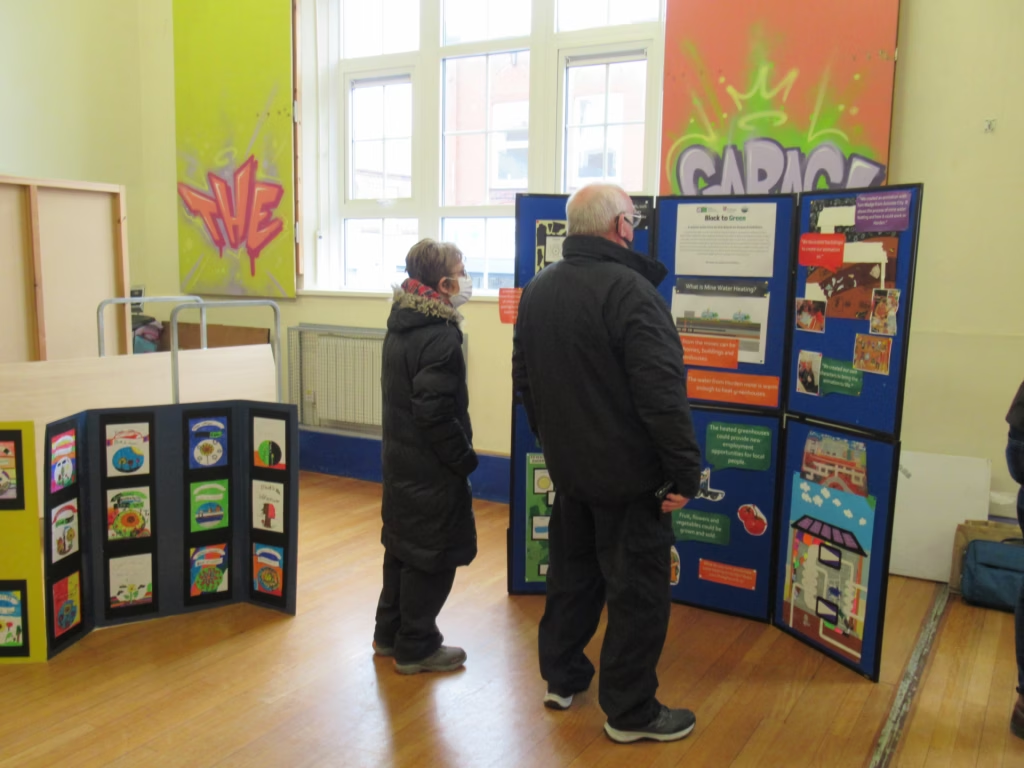
The community exhibition was held at Horden Youth and Community Centre on 30th March. The exhibition was advertised to the pupils and their families, the school and the local community, facilitating conversations between different generations about the past and future of Horden. Different members of the local community attended, including former coal miners who were interested to learn more about how mine water heating and the potential for it in Horden. Alongside the exhibition, Derek Slater led an art workshop, which attendees were able to join.
The in-school exhibition was held at Cotsford Primary school on 31st March. The children were able to collect their planted sunflowers and take them home to grow further, reminding them of the exciting future that lies ahead for Horden. The exhibition was well attended by the children’s families; the children were proud to share the fantastic animation and art that they had created.