Breathing Space was designed as a way of improving relationships between figures of authority (Durham Constabulary Police and teachers) and young people who are considered disaffected or at risk of offending. Through the programme it was hoped that the young people’s relationships and perceptions would improve, enabling them to function better within society and with their peers.
The Breathing Space programme was designed to use Forest School practice to involve and engage disaffected young people from North Durham Academy, encouraging them to ‘work’ along-side Durham Constabulary PCSOs. By completing fun, collaborative tasks in a ‘neutral setting’ (North Durham Academy garden) it was anticipated that the young people would build up better relationships with each other, the school staff and the PCSOs.
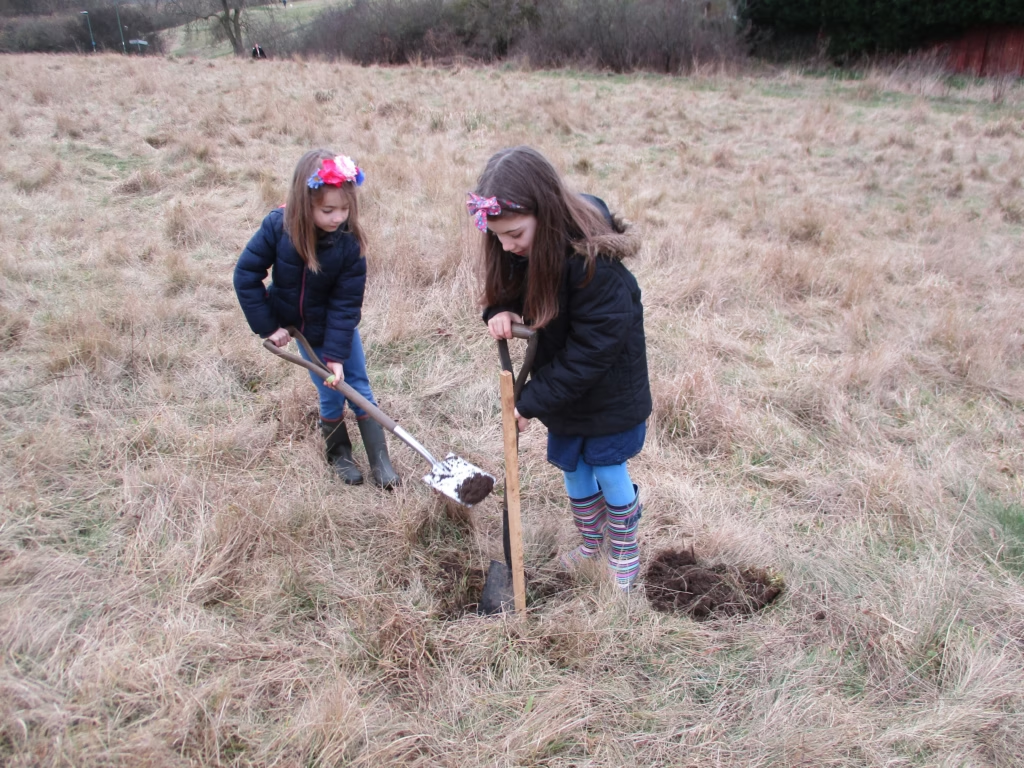
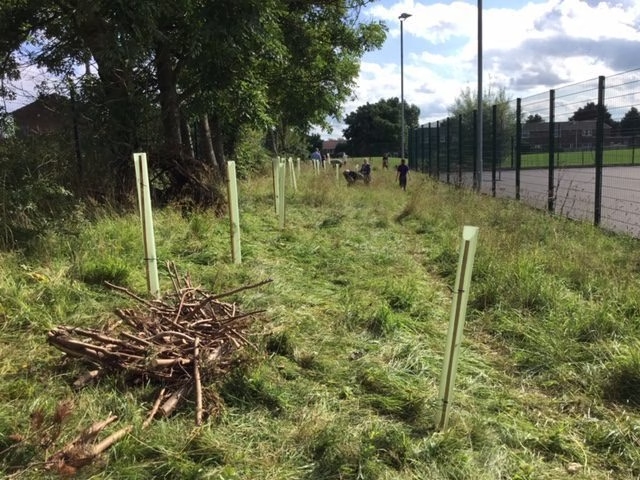
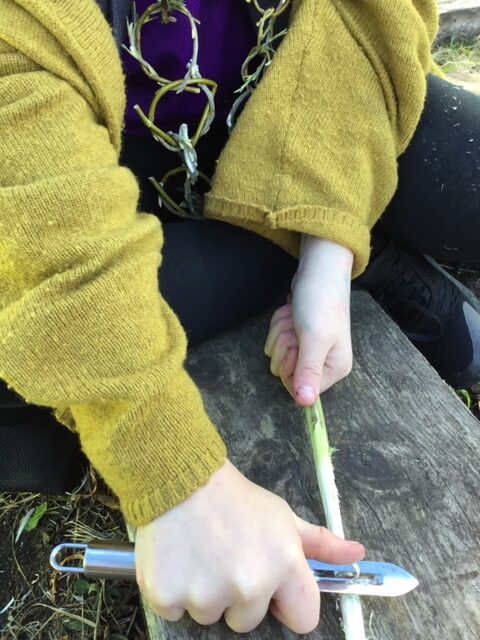
Six outdoor, Forest Schools sessions were delivered to ten pupils, two school staff and five Durham Constabulary Police Community Support Officers (PCSOs). The Forest School approach was used to encourage participants to work together and improve relationships. Through the project participants worked towards gaining the John Muir Award, an internationally recognised qualification.
This project had a ground-breaking feel to it from the start, in the main because of the focus on bringing the police and disaffected young people together into the same space to work cohesively to achieve tasks together. As anticipated the project improved relationships at a personal and institutional level. A number of gains were achieved, not least underlining the value of how the outdoor setting is hugely conducive to connecting people with nature and with one another.